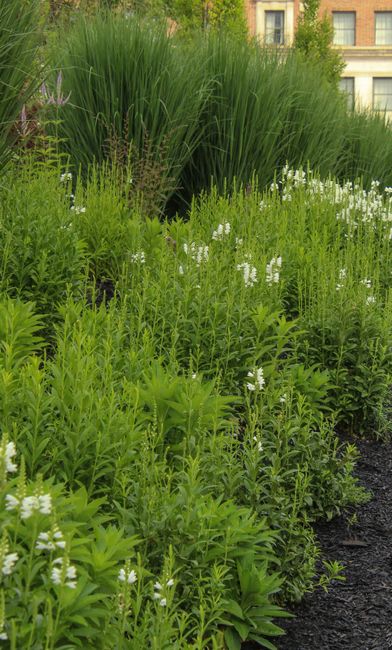
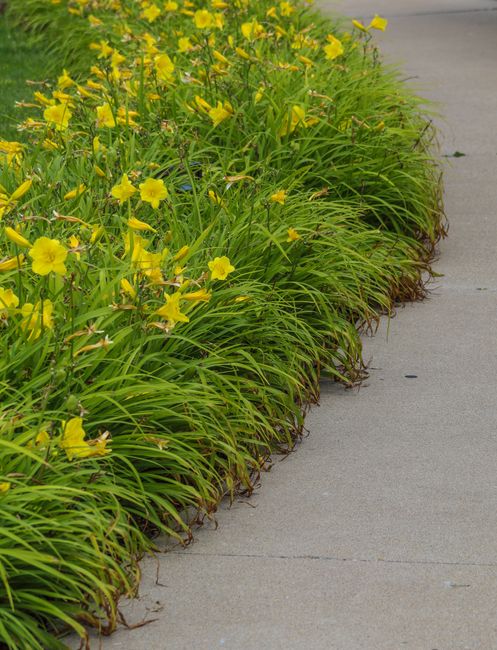
Essential guide to planting low maintenance borders with gardeners
If you want a border that looks good most of the year without turning into a weekend chore, you are in the right place. The Essential guide to planting low maintenance borders with gardeners is really about making calm, sensible planting choices that suit your garden, your soil, and your time. Done well, a low maintenance border can give you colour, structure, texture, and a tidy finish with far less fuss than a high-input display. And yes, it can still look properly lush.
In practice, the best results come from thinking a little like a gardener and a little like a designer. What grows happily in your conditions? What will still look decent in February, when the sky is grey and the path is damp? Which plants do not need constant staking, deadheading, splitting, or hand-holding? This guide walks through the whole process, from planning and plant choice to upkeep, common mistakes, and the small details that make a border feel finished rather than fussy.
Table of Contents
- Why this matters
- How a low maintenance border works
- Key benefits and practical advantages
- Who this is for and when it makes sense
- Step-by-step guidance
- Expert tips for better results
- Common mistakes to avoid
- Tools, resources and recommendations
- Law, compliance, standards, or best practice
- Options, methods, and comparison
- Case study or real-world example
- Practical checklist
- Conclusion
- Frequently asked questions
Why Essential guide to planting low maintenance borders with gardeners Matters
A border is often the part of the garden that quietly carries the whole space. It frames the lawn, softens fences, hides awkward boundaries, and gives the garden its rhythm. When it is well planted, the whole place feels more settled. When it is not, you notice every bare patch and every plant that sulks after a cold snap. To be fair, that can happen even in a lovely garden.
Low maintenance borders matter because most people do not want to spend every spare minute pruning, feeding, dividing, or replacing plants that were never suited to the spot in the first place. A smart border design reduces the need for constant intervention by focusing on resilient plants, realistic spacing, good soil preparation, and a layout that does not create extra work for you later.
For gardens in London and across the UK, this is especially useful where space is tight, weather can swing from wet to dry, and many gardens have shade, compacted soil, or awkward edges. A border that suits its conditions tends to be kinder to your time and your wallet. It also tends to age better. That is the bit people sometimes miss.
There is also a visual reason. Low maintenance does not mean boring. It usually means intentional. Think of grasses catching the low afternoon light, evergreen shrubs holding shape through winter, and perennial flowers that repeat neatly instead of collapsing into a messy tangle by July. Simple can be beautiful. Honestly, sometimes simpler looks more expensive.
How Essential guide to planting low maintenance borders with gardeners Works
A low maintenance border works by reducing the number of decisions, interventions, and "fixes" needed across the year. The design is built around plants that suit the site, layer well together, and do not demand too much pampering. That means less watering once established, less staking, less deadheading, and less constant replanting.
The process usually starts with the conditions, not the plant list. Good gardeners will look at:
- how much sun the border gets
- soil type and drainage
- how exposed the area is to wind
- whether the border is against a wall, fence, path, or lawn
- how much time you realistically want to spend maintaining it
From there, the planting plan is built around structure first, then colour and seasonal interest. Structure usually comes from evergreen shrubs, grasses, or woody perennials. Seasonal interest comes from flowering perennials, bulbs, seed heads, and foliage colour. The trick is balance. If every plant shouts at once, the border feels chaotic. If nothing changes through the seasons, it feels flat. Somewhere in the middle is the sweet spot.
Low maintenance borders also rely on smart spacing. Plants that are crammed in together often need more cutting back, more splitting, and more intervention. Plants given enough room can develop properly and suppress weeds more effectively. A tidy mulch layer helps too, because it locks in moisture and keeps the soil cooler and less weedy. Small detail, big payoff.
If you are thinking in practical terms, the workflow is simple:
- Assess the site.
- Clear and improve the soil.
- Choose plants that match the conditions.
- Plant with the mature size in mind.
- Mulch and water in well.
- Set a light seasonal care routine.
That is the backbone of it. Everything else is refinement.
Key Benefits and Practical Advantages
The obvious benefit is less work, but the real value is broader than that. A low maintenance border can improve how the garden functions day to day, especially if your outdoor space is shared by family, pets, or simply a packed schedule. You want the garden to feel welcoming, not like a task list sitting outside the back door.
| Benefit | What it means in real life |
|---|---|
| Less routine upkeep | Fewer hours spent deadheading, staking, and replacing tired plants |
| More reliable year-round shape | Evergreen structure keeps the border looking presentable through winter |
| Lower water demand once established | Better resilience during dry spells, especially in sunny spots |
| Better weed suppression | Well-planned planting and mulch reduce empty soil and weed pressure |
| More consistent visual appeal | A border that looks planned, even when not in peak bloom |
There is another advantage that often gets overlooked: confidence. When a border is designed around easy-care principles, you are less likely to feel nervous about making a mistake. If one plant fails, the structure still holds. If you miss a week or two of maintenance, the garden does not immediately unravel. That matters more than people admit.
For homeowners, landlords, and anyone managing a garden between work, family, and life in general, this can be the difference between enjoying the space and quietly resenting it. A well-planted border should not become a second job. It should give back more than it takes.
Who This Is For and When It Makes Sense
This approach suits a wide range of gardens, but it is especially helpful if you recognise any of these situations:
- You want a smart-looking garden without weekly maintenance.
- You are redesigning a border that has become patchy, overgrown, or difficult to keep tidy.
- You have little time for high-maintenance planting but still want colour and structure.
- You are improving a front garden and need something neat, durable, and easy to manage.
- You are working with a rental property or a home you may not stay in forever.
- You want a garden that is manageable for older family members or less confident gardeners.
It also makes sense if your border has a specific problem. Maybe the soil dries out fast by the fence line. Maybe the space is shady and thinly planted. Maybe you inherited a mix of plants that looked fine once, years ago, and now do very little except complain. In those cases, a low maintenance replant can be a relief.
That said, it is not the best answer for every garden. If you want a very formal, constantly clipped display, or you enjoy hands-on gardening as a hobby, you may prefer a higher-touch scheme. There is nothing wrong with that. But if your real goal is easy beauty with minimal faff, this route is usually the sensible one.
And if the site is particularly awkward? A good gardener can save you a lot of trial and error. It is one of those jobs where experience quietly pays for itself.
Step-by-Step Guidance
1. Read the site properly
Start with the conditions you actually have, not the conditions you wish you had. Note the direction the border faces, how many hours of sun it gets, where water sits after rain, and whether nearby trees or walls affect it. Morning sun and afternoon shade behave very differently from a hot, exposed south-facing border. This is where people often get caught out.
2. Clear the area and improve the soil
Remove weeds, old roots, and debris first. Then improve the soil in a way that suits its type. Heavy clay may need organic matter for structure and drainage. Sandy soil often needs organic matter to help hold moisture. You are not trying to make every soil type identical; you are trying to make it more workable for the plants you want to grow.
If the border is being refreshed rather than rebuilt, this is a good point to check for hidden issues: tree roots, shallow topsoil, compacted patches, or old weed fabric that has degraded into a nuisance. You do not want to plant on top of a problem and hope for the best. Hope is not a soil strategy.
3. Choose a planting mix with a purpose
A low maintenance border usually works best when it includes three layers:
- Structure: evergreen shrubs, clipped shapes, or ornamental grasses
- Middle layer: reliable perennials with repeat flowering or interesting foliage
- Low layer: ground cover plants that help reduce weed growth and cover bare soil
Try to avoid overcomplicated plant lists. A smaller palette used well usually looks more polished than a border stuffed with too many varieties. Repetition helps too. If the same plants appear in groups, the border feels calmer and easier to read.
4. Plant with mature size in mind
One of the most common mistakes is planting too closely because the border looks empty on day one. A newly planted border often needs space to breathe. That open ground feels odd for a while, but it is temporary. Give plants room to grow without crowding each other, and you will save time later on pruning and splitting.
A useful mental check: imagine the plants in two or three years, not two or three weeks. If the border looks tidy now but will turn into a wrestling match later, it is probably too tight.
5. Water in well, then water wisely
Water newly planted borders thoroughly so roots settle into the soil. After that, the aim is not constant watering but appropriate watering. Shallow, frequent watering can encourage weak rooting. Deeper, less frequent watering is usually better once plants are established, especially in dry spells. Early mornings are often the calmest time for this work, when the soil is cool and the garden is quiet.
6. Mulch to reduce effort later
A mulch layer of composted bark, garden compost, or similar organic material can help suppress weeds, conserve moisture, and improve the look of the border. Keep mulch away from plant stems and trunks. It should sit like a protective blanket, not a collar.
7. Set a light seasonal routine
Even low maintenance borders need a little care. The difference is scale. You are aiming for a short, manageable routine rather than constant intervention.
- In spring, remove winter debris and check for gaps.
- In summer, deadhead only where needed and water during dry spells.
- In autumn, trim back tired growth selectively and top up mulch.
- In winter, leave seed heads and evergreen structure where they still add interest.
That is the rhythm. Not perfect, just practical.
Expert Tips for Better Results
A few small decisions can make the difference between a border that merely survives and one that genuinely lifts the garden.
- Repeat shapes and colours. Repetition makes a border look deliberate. Use the same plant more than once, or echo a leaf shape across the border.
- Mix evergreen and deciduous plants. Evergreen structure keeps the garden looking grounded in winter. Deciduous perennials bring seasonal movement.
- Use foliage as much as flowers. Leaves hold the design together for longer than blooms do. Silver, deep green, chartreuse, and burgundy can carry a border beautifully.
- Choose plants that fit the soil rather than fight it. A plant can be "low maintenance" in one garden and a sulker in another. Same plant, different story.
- Think about edges. A crisp edge between border and lawn, path, or gravel helps the whole garden look more finished with less effort.
- Leave some winter texture. Not every stem needs to be cut back. Seed heads and grass plumes can look lovely in frost and low light.
One more thing: do not overfill the border with too many different textures. A little contrast is good. Too much and the eye gets tired. That is a design issue, not just a planting issue.
In our experience, the best low maintenance borders are rarely the most dramatic in spring. They are the ones that still look composed in October, or after a week of drizzle, or when you have not had time to tidy them because, well, life happened.
Common Mistakes to Avoid
Most border problems come from a handful of avoidable mistakes. The good news is they are easy to spot once you know what to look for.
Planting for the catalogue instead of the site
Just because a plant looks lovely in a photograph does not mean it will thrive in your garden. Light levels, wind, drainage, and soil matter more than a glossy image. A sun-loving plant in shade will not become low maintenance. It will become a problem.
Using too many thirsty or high-input plants
Some plants are beautiful but demanding. If you mix too many of them into a supposedly easy-care border, the whole scheme starts asking for more attention than you wanted to give. That is where low maintenance quietly slips away.
Ignoring mature spread
Overcrowding leads to airless growth, awkward pruning, and more disease risk. The border may look full quickly, but not in a good way. Give plants room.
Skipping soil preparation
Planting into poor, compacted soil and hoping mulch will solve everything is a bit optimistic. Mulch helps, yes, but roots still need decent conditions. The groundwork matters.
Forgetting about year-round structure
A border that only looks good for a few weeks can still feel high maintenance, because you may end up compensating with constant changes. Structure keeps the garden working when flowers are off duty.
Choosing plants that require frequent division or staking
Some perennials are excellent, but they need regular support or splitting to stay at their best. If you want simplicity, be honest about that from the start.
None of this is disastrous. Gardens are forgiving. But avoiding these traps saves time, money, and a fair bit of muttering under your breath when something flops over just before visitors arrive.
Tools, Resources and Recommendations
You do not need a truckload of specialist kit to create a good border, but the right tools make the work cleaner and less tiring. A modest, well-kept kit often beats a lot of flashy gear.
- Spade and border fork: useful for digging, lifting, and loosening soil.
- Hand trowel: for precise planting and small adjustments.
- Rake: helpful for levelling soil and spreading mulch.
- Watering can or hose setup: important for establishing new plants properly.
- Secateurs: for tidy cuts on soft growth and light pruning.
- Gloves: not glamorous, but very sensible.
- Wheelbarrow or trug: handy for moving compost, mulch, or cleared debris.
On the planning side, sketching the border on paper can help more than people expect. Mark sunny spots, shade, access points, and the main shapes you want to repeat. A quick drawing often reveals where the scheme is overloaded or where a gap will look awkward later.
If you are not sure where to start, it can help to browse broader garden services and maintenance options such as garden maintenance, landscape gardening, or landscaping to see how planting sits within the wider garden picture. For borders that need a clean slate first, garden clearance can be the sensible first move.
And if the border sits near a lawn edge or includes a transition area, looking at lawn mowing and hedge trimming can help the whole space feel more balanced. Borders do not exist in isolation. The surrounding garden matters too.
Law, Compliance, Standards, or Best Practice
For most domestic planting work, there is usually no special legal process just for creating a border. That said, best practice still matters, especially if the work is being done by a professional gardener or landscaper on someone else's property. Safety, access, waste handling, and neighbour awareness all come into play.
Good practice generally includes:
- working safely with tools and lifting techniques
- identifying underground services before digging where relevant
- disposing of green waste responsibly
- avoiding damage to shared boundaries, fences, or neighbouring plants
- checking whether any trees, hedges, or protected features affect the planned work
If you are hiring someone, it is reasonable to ask about insurance, health and safety procedures, and how they handle waste. A trustworthy company should be comfortable talking about those things in plain English. Not in a stiff, awkward way. Just clearly.
You may also want to check the business's policies on insurance and safety, health and safety policy, and recycling and sustainability if those matter to you. For quotes and budgeting, pricing and quotes can help set expectations before work begins.
As a general rule, the best standard is simple: work carefully, choose appropriate plants, and leave the garden better than you found it. That is a pretty good standard, truth be told.
Options, Methods, and Comparison
There are several ways to approach a low maintenance border. The right one depends on your space, style, and patience level. Here is a straightforward comparison.
| Method | Best for | Main advantage | Watch out for |
|---|---|---|---|
| Evergreen-led border | Year-round structure and tidy appearance | Reliable shape through winter | Can feel static if flowering plants are not layered in |
| Perennial border | Seasonal colour with moderate upkeep | Variety and movement through the year | Some perennials need splitting or support |
| Grasses and texture-led border | Modern, naturalistic gardens | Light movement and low fuss once settled | Can look sparse in early stages if underplanted |
| Mixed shrub and perennial border | Most domestic gardens | Good balance of structure and colour | Needs sensible spacing and a clear plan |
If you want the simplest possible routine, an evergreen-led or mixed shrub border is often easiest to manage. If you enjoy a bit more seasonal drama, perennials and grasses can still be low maintenance, but they need more planning up front. The important thing is not to confuse "fewer tasks" with "no tasks." A garden always asks for something. The aim is to keep that something reasonable.
For larger projects or awkward sites, a professional approach can save time because the layout, soil improvement, and planting selection are thought through as one system. That is where services overview and about us can be useful if you want to understand who is doing the work and how they approach it.
Case Study or Real-World Example
Here is a typical real-world scenario. A narrow rear garden had a long border against a fence that had become a jumble of tired shrubs, sparse perennials, and bare patches where weeds kept returning. The owners wanted something attractive, but they were tired of cutting back floppy growth every summer and replacing failed plants every spring. Fair enough.
The fix was not dramatic. First, the old border was cleared and the soil loosened. Then a simple structure was created with a small number of evergreen shrubs spaced evenly along the length. Between them went repeat planting of hardy perennials with long flowering periods and a few grasses for movement. A mulch layer finished the job, and the planting scheme was deliberately repeated rather than made overly clever.
What changed? The border stopped looking like a patchwork of unrelated plants and started feeling deliberate. Maintenance dropped because there were fewer one-off plants needing special treatment. The owners still had seasonal work to do, of course, but it became a light tidy rather than a rescue operation. That is usually the real win.
A detail that helped more than expected was the use of repetition. The same three or four plants appeared at intervals, which gave the whole border a calm, connected look. Nothing showy about it. Just neat, stable, and easy to live with. Sometimes that is exactly what a garden needs.
Practical Checklist
Use this before you plant, or before you agree a planting plan with a gardener.
- Have you checked how much sun and shade the border gets?
- Do you know whether the soil drains well or holds water?
- Have you chosen plants that suit the site, not just the style?
- Will the border still look good in winter?
- Have you allowed enough space for mature growth?
- Is there a mulch plan to suppress weeds and retain moisture?
- Have you thought about access for watering and future maintenance?
- Do you know which plants need occasional pruning, staking, or splitting?
- Have you included some evergreen structure?
- Is the planting scheme realistic for the time you actually have?
If most of those boxes are ticked, you are in a very good place. If several are not, better to catch it now than after planting. Much easier on the budget, and on the mood, frankly.
Conclusion
A good low maintenance border is not about doing less for the sake of it. It is about designing smarter, planting with care, and choosing combinations that stay attractive without demanding constant attention. The best borders feel relaxed, balanced, and a little bit effortless, though of course a lot of thought usually sits behind that effortless look.
If you remember nothing else, remember this: match plants to the site, keep the design simple enough to manage, and give the border enough structure to carry the garden through the lean months. Do that, and you will create something that feels calm rather than chaotic. A small joy, but a real one.
Get a free quote today and see how much you can save.
Frequently Asked Questions
What is a low maintenance garden border?
A low maintenance garden border is a planted edge designed to need less watering, pruning, staking, and replanting. It usually relies on hardy plants, good soil preparation, smart spacing, and enough evergreen structure to stay attractive through the year.
Which plants are best for low maintenance borders?
The best plants depend on your soil, light, and exposure, but in general, resilient shrubs, tough perennials, ornamental grasses, and useful ground cover plants work well. The key is choosing plants that suit the site rather than forcing a style into the wrong conditions.
Do low maintenance borders still need watering?
Yes, especially while the plants are establishing. After that, many low maintenance borders need much less watering, but dry spells, sandy soil, and newly planted areas will still need attention. Low maintenance is not the same as no maintenance.
How do I stop weeds coming back in a border?
Start with a thorough clear-out, then plant densely enough to cover bare soil over time, and add mulch to reduce weed germination. A border with good ground cover and healthy planting is much easier to keep tidy than one with open patches.
What is the easiest border style to maintain?
An evergreen-led or mixed shrub border is often the easiest to maintain because it keeps structure through winter and needs less seasonal resetting. That said, a well-planned perennial border can also be manageable if the plants are chosen carefully.
Should I use mulch in a low maintenance border?
Yes, mulch is usually one of the best ways to reduce effort later. It helps suppress weeds, retain moisture, and improve the look of the border. Just avoid piling it against stems or trunks.
How much time does a low maintenance border need each year?
That depends on the size of the border and the plants used, but the aim is usually a modest seasonal routine rather than weekly heavy work. A little spring tidying, some summer watering if needed, and light autumn care is often enough.
Can I make an old border low maintenance without starting again?
Often, yes. You may be able to clear problem plants, improve the soil, add structure, and replant selectively rather than remove everything. Sometimes a partial reset is the smartest and least disruptive option.
What are the biggest mistakes in border planting?
The biggest mistakes are choosing plants that do not suit the site, overcrowding, skipping soil preparation, and relying too heavily on high-input plants. Those errors usually lead to more work, not less.
Is it worth hiring gardeners for a low maintenance border?
It can be, especially if the border needs redesigning, clearance, or a planting plan that balances looks and practicality. A good gardener can help you avoid expensive mistakes and create a border that is easier to live with from day one.
How do I keep a border looking good in winter?
Use evergreen plants, grasses, seed heads, and strong structural shapes so the border still has form after the main flowering season ends. Winter interest is what stops a low maintenance border from feeling bare and unfinished.
Where can I find help with planning or maintenance?
It helps to look at a company's wider gardening support, including planting, clearance, and ongoing care. If you need a place to start, browsing the garden blog and related service pages can give you a clearer idea of what is possible for your space.