Vegetable Beds Planted Right by Gardeners: Expert Planting Guide
If you want better harvests, fewer failed seedlings, and a garden that feels easier to manage, getting vegetable beds planted right by gardeners is a very sensible place to start. A well-planned bed does more than look neat. It improves drainage, helps roots establish, keeps weeds down, and makes the whole growing season feel less chaotic. Truth be told, many disappointing vegetable patches are not caused by bad luck at all. They usually start with poor layout, tired soil, or planting the wrong crop in the wrong place.
This expert planting guide walks through the practical side of building and planting vegetable beds properly. You will find the steps, the decisions that matter most, the mistakes people keep making, and the small details that make a bed productive rather than merely pretty. If you are planning a new kitchen garden, refreshing raised beds, or just trying to get more from a modest back plot, this is for you.
For readers looking into broader garden support, it can also help to review the team's garden services overview, or learn more about the business on the about us page if you want a sense of how the work is approached. And if you are already thinking about next steps, the contact page is the obvious place to start a conversation.
Table of Contents
- Why Vegetable beds planted right by gardeners expert planting guide Matters
- How Vegetable beds planted right by gardeners expert planting guide Works
- Key Benefits and Practical Advantages
- Who This Is For and When It Makes Sense
- Step-by-Step Guidance
- Expert Tips for Better Results
- Common Mistakes to Avoid
- Tools, Resources and Recommendations
- Law, Compliance, Standards, or Best Practice
- Options, Methods, or Comparison Table
- Case Study or Real-World Example
- Practical Checklist
- Conclusion
- Frequently Asked Questions
Why Vegetable beds planted right by gardeners expert planting guide Matters
Vegetable beds are one of those garden features that seem straightforward until you start losing time, water, and seedlings to avoidable problems. Plant them right, and everything feels calmer. Soil warms more evenly, plants establish faster, and you can reach what you need without trampling the whole bed. Plant them badly, and even strong crops struggle. That is why proper planning matters so much.
In practical terms, a good vegetable bed is a working system. The soil structure, bed height, bed width, crop spacing, sunlight, and watering all influence each other. Get one part wrong and the rest often follows. For example, a bed that sits in a cold, shady spot may look tidy in April but stay stubbornly slow well into spring. Likewise, a bed packed too tightly will usually become a damp, fungal mess by mid-season. No drama, just gardening being gardening.
The real value of an expert planting approach is that it reduces guesswork. Instead of hoping crops will cope, you build conditions that support them from the start. That means better germination, less transplant shock, more consistent growth, and usually a better return from every square metre of space.
Expert summary: Vegetable beds succeed when the basics are handled well: good light, sensible layout, living soil, correct spacing, and watering that reaches the roots rather than the leaves. The fancy part is optional; the fundamentals are not.
There is also a long-term benefit. Beds planted properly are easier to maintain season after season. You spend less time correcting avoidable problems and more time actually growing food. That is the whole point, really.
How Vegetable beds planted right by gardeners expert planting guide Works
The method is less mysterious than it sounds. A proper planting guide for vegetable beds usually follows a sequence: assess the site, prepare the soil, organise the bed layout, choose crops that suit the season, and plant with enough space for mature growth. The details shift depending on whether you are using raised beds, in-ground beds, or compact kitchen-garden plots, but the logic stays the same.
First, the bed location is checked for sunlight, drainage, wind exposure, and access. Most vegetables want a decent amount of light and steady moisture, though leafy crops are a bit more forgiving than fruiting ones. Then comes soil preparation. This is where gardeners often make the biggest difference, because soil that is loose, fertile, and full of organic matter helps roots move and feed properly.
After that, crop planning starts. Not every vegetable belongs in the same space, and not every bed should be planted all at once. You can stagger sowing dates, mix quick crops with slower ones, and use succession planting to keep beds productive for longer. It sounds technical, but in practice it just means thinking ahead a few weeks instead of treating the bed like a one-day job.
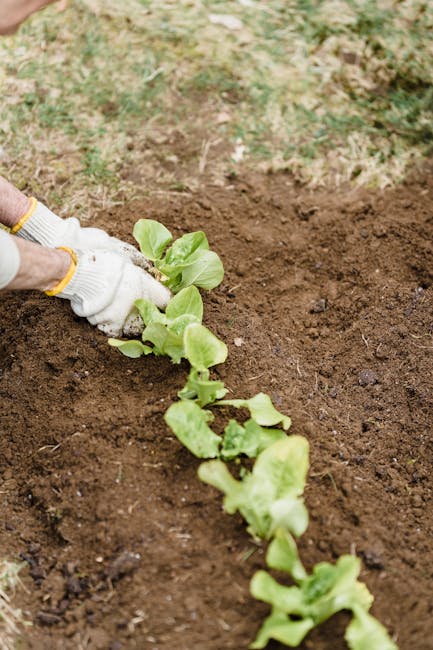
Then comes the actual planting. Seeds are sown to the correct depth, seedlings are hardened off if needed, and young plants are watered in carefully. A little attention at this stage saves you a lot of hassle later. That first week matters more than most people realise.
If professional help is needed for bed preparation, redesign, or wider garden work, the team's services overview is a useful place to see what support is available, and the pricing and quotes page can help you understand how projects are usually approached. Straightforward, no fuss.
Key Benefits and Practical Advantages
There are several clear reasons to plant vegetable beds properly rather than just getting them in the ground and hoping for the best.
- Better crop establishment: Good soil prep and spacing help seedlings settle faster.
- Improved drainage: Particularly useful in heavier soils that can become waterlogged after rain.
- Less weed pressure: Well-defined beds are easier to mulch and maintain cleanly.
- More efficient watering: Water is directed to plants, not wasted over wide bare areas.
- Stronger yields: Crops generally perform better when the bed environment supports root growth.
- Cleaner access: Narrow enough beds mean you can reach the centre without compacting the soil.
- Better planning: Beds can be rotated, divided by crop family, or planted in successions more easily.
A surprisingly big advantage is psychological. A tidy, productive bed makes the whole garden feel manageable. You look at it and think, yes, this is under control. That matters more than people admit. Gardening can become a bit much when every corner is doing its own thing.
There is also the practical benefit of saving money over time. Better planting decisions reduce losses, and fewer losses mean fewer replacement plants, less wasted compost, and fewer "I'll just buy another tray" moments at the garden centre. We have all been there.
Who This Is For and When It Makes Sense
This guide is useful for several kinds of gardeners. If you are building your first vegetable bed, it will help you avoid the usual rookie mistakes. If you already grow vegetables but are not getting the results you want, it can help you identify where the system is falling down. And if you are managing a more polished domestic garden, planted vegetable beds can bring structure as well as produce.
It makes particular sense when:
- you want a productive kitchen garden rather than a decorative patch that underperforms
- your current beds are compacted, tired, or overrun with weeds
- you are switching from pots to beds for better yield
- you want to grow for family meals and need a reliable harvest window
- your garden has awkward corners that could be used more intelligently
- you want a neater, easier-to-maintain setup for the long term
For landlords, busy households, and older gardeners who want the space to be simpler to manage, properly planted beds can be a real relief. Less bending, less muddle, fewer missed waterings. It does not have to be grand to be effective.
If sustainability matters to you, you may also want to think about waste reduction and compost use. The recycling and sustainability page is a useful reference for the kind of practical, lower-waste garden thinking that supports long-term bed health.
Step-by-Step Guidance
Here is the clear, working method we would recommend for vegetable beds planted right by gardeners. No mystery. Just a sensible sequence.
- Choose the site carefully. Look for the sunniest practical place you have, with decent shelter from hard wind and easy access for watering.
- Check the soil. Soil should be workable, not sticky and wet, and not thin and dusty either. Good structure matters.
- Mark out the bed dimensions. Keep beds narrow enough to reach across without standing on them. That avoids compaction.
- Clear weeds and debris. Pull persistent weeds from the roots where possible, especially perennial ones.
- Improve the soil. Add compost or well-rotted organic matter to build fertility and texture.
- Plan crop groups. Put together vegetables with similar water and spacing needs, and rotate families where you can.
- Sow or plant with spacing in mind. Read the expected mature size, not just the label on the tray. Those tiny plants grow up fast.
- Water in properly. Water at the base of plants so moisture reaches the roots.
- Mulch the bed. A mulch layer helps hold moisture, suppress weeds, and stabilise soil temperature.
- Monitor and adjust. Check growth weekly and thin, tie, stake, or prune as needed.
One useful rule: do not plant for how the bed looks on day one. Plant for how it will look in six weeks. That is where many beds go wrong. A bed can look spacious at planting time and still become crowded very quickly.
Simple layout tips that help
Try placing taller crops where they will not shade smaller ones, usually toward the north side of the bed if your plot allows it. Put fast crops such as salad leaves or radishes beside slower growers so the bed stays productive while the larger plants are still developing. It is a neat little trick, and it works.
Expert Tips for Better Results
Some tips are small, but they make a proper difference. They are the kind of things a good gardener notices after watching beds succeed and fail a few times.
- Water deeply rather than lightly. Shallow watering encourages weak roots. Deep watering encourages resilience.
- Feed the soil, not just the plant. Healthy soil biology supports steadier growth over time.
- Use succession planting. As soon as one crop finishes, another can take its place. That keeps the bed productive.
- Thin seedlings early. It can feel harsh, but overcrowded seedlings often underperform anyway.
- Support crops before they need it. Tomatoes, beans, and taller brassicas are easier to manage if staking is done early.
- Mulch after the soil has warmed. In cooler spring weather, mulching too early can slow warming a bit.
In our experience, one of the most overlooked habits is simply walking the beds often. Not staring dramatically, just checking. A quick look every couple of days lets you catch slugs, dryness, or aphids before they turn into a bigger headache. It is the boring stuff that saves the day, honestly.
For more practical support on garden maintenance, the health and safety policy and insurance and safety pages are useful if you are considering professional work around soil prep, heavier lifting, or tool use.
Common Mistakes to Avoid
Even experienced gardeners make some of these mistakes from time to time. The good news is they are avoidable once you know what to look for.
- Overcrowding: This is the classic one. Plants compete for light, air, and nutrients, and the whole bed suffers.
- Poor soil preparation: If the soil is compacted or low in organic matter, roots will struggle from the outset.
- Ignoring drainage: A wet bed can rot roots, slow growth, and create fungal problems.
- Planting in shade without adjusting expectations: Leafy crops may cope; fruiting crops usually will not thrive.
- Mixing incompatible crops without planning: Some crops compete badly or have different feeding demands.
- Letting weeds get established early: Once they are in, they are annoyingly persistent. A bit rude, really.
- Watering inconsistently: Fluctuating moisture can lead to poor germination, split fruit, or bitter leaves.
A more subtle mistake is treating the bed as finished after planting. It is not. Vegetable beds need a bit of steering. That does not mean fussing over them daily, but they do need observation and small corrections as the season unfolds.
Tools, Resources and Recommendations
You do not need a shed full of specialist kit to plant vegetable beds well. A few solid tools and some thoughtful planning will usually do the job.
| Tool or Resource | Why It Helps | Practical Note |
|---|---|---|
| Spade or border fork | Useful for loosening soil and working in compost | Choose a tool that feels balanced in the hand |
| Hand trowel | Good for transplanting seedlings and small adjustments | Handy for precise planting in tight spaces |
| Watering can or hose with a gentle rose | Allows careful watering at the root zone | Avoid blasting seedlings flat on a windy day |
| Compost | Improves soil structure and fertility | Well-rotted compost is usually the safest everyday choice |
| Canes or plant supports | Supports climbing and tall crops | Put supports in early before roots spread out |
| Mulch | Helps retain moisture and suppress weeds | Use it once the soil has warmed and crops are established |
If you are planning a larger refresh of your garden, professional guidance can save a lot of second-guessing. You can explore the pricing and quotes page if you want a clearer idea of how garden projects are typically scoped, or use the contact page to discuss the best approach for your plot.
And yes, sometimes a better spade really does make the job feel less like a battle. Tiny win, but still a win.
Law, Compliance, Standards, or Best Practice
For domestic vegetable beds, the main thing is not legal complexity but sensible best practice. If work is being carried out by a contractor, it should be done with appropriate care, safe working methods, and clear agreement on what is included. That is ordinary good practice in the UK and in London gardens as well. Uneven access, trip hazards, and awkward lifting are all part of the real-world picture, especially in terraced properties and narrow side returns.
If waste is generated during bed preparation, it should be handled responsibly. Compostable material, soil, and green waste may be separated according to local arrangements, and lower-waste approaches are generally preferable where practical. If you are making decisions about materials, ask what is being reused, recycled, or disposed of and how. It is a fair question.
Where gardening work involves tools, sharp edges, heavy bags, or machinery, a contractor should have suitable safety procedures in place. You can review a company's approach through pages such as health and safety policy and insurance and safety. That kind of transparency helps build trust.
For customers concerned about how information is handled, the privacy policy, terms and conditions, and payment and security pages provide the expected housekeeping. Not glamorous, but important. The boring pages matter too.
Options, Methods, or Comparison Table
There is no single correct way to grow vegetables, but some methods suit certain gardens better than others. A quick comparison can help you choose.
| Method | Best For | Advantages | Limitations |
|---|---|---|---|
| Raised beds | Small plots, poor soil, easy access | Warm up faster, define soil quality, easier to manage | Can dry out faster and may need more watering |
| In-ground beds | Larger gardens with workable soil | Good moisture retention, more root depth, often cheaper to set up | Depends heavily on existing soil quality |
| Deep beds with heavy composting | Low-fertility or depleted garden areas | Strong soil improvement over time, productive in tight spaces | Needs regular top-ups and thoughtful rotation |
| Mixed edible borders | Gardens where beauty and food production must coexist | Looks attractive, useful in smaller urban gardens | Less straightforward to manage than dedicated beds |
For most people, raised beds offer the easiest route to control and consistency. In-ground beds can be excellent too, especially if the soil is already decent. The right choice depends on your site, your time, and how much maintenance you realistically want to take on. Let's face it, gardening plans often meet real life halfway.
Case Study or Real-World Example
Picture a typical back garden with one damp corner, a narrow strip of lawn, and a space that gets sun until late afternoon. The owners want vegetables, but they also want the garden to feel tidy enough that the beds do not dominate everything.
A practical solution would be to create two manageable beds rather than one large, hard-to-reach patch. The beds could be positioned where the light is strongest, with a narrow path between them. The soil would be improved with compost, then planted in a sequence: salad leaves and radishes early in the season, followed by beans or tomatoes once the weather settles, and perhaps autumn leaves or quick-growing brassicas later on.
What changes with this approach is not just yield. The garden feels easier. Watering becomes more efficient. Weeding is simpler. The planting pattern looks deliberate instead of improvised. And because the beds are reachable from the path, the soil is not compacted every time someone needs to tend the plants.
That kind of setup is not flashy. It is just sensible. The sort of thing that quietly works in the background while you get on with everything else. Which, to be fair, is what most people actually want from a vegetable garden.
Practical Checklist
Use this checklist before you plant. It keeps the essentials in one place.
- Have I chosen the sunniest practical site available?
- Is the soil workable, loose enough, and free draining?
- Have I removed obvious weeds and debris?
- Have I added compost or another suitable organic amendment?
- Can I reach the centre of the bed without stepping on it?
- Have I planned crop spacing for mature plant size?
- Have I grouped crops with similar needs together?
- Do I have a watering plan for dry spells?
- Have I considered supports, labels, and access paths?
- Have I thought about rotation for next season?
If the answer to most of those is yes, you are in a good place. If not, no panic. It is usually easier to fix bed setup before planting than after. Much easier, actually.
Get a free quote today and see how much you can save.
Conclusion
Vegetable beds planted right by gardeners are not about making things complicated. They are about doing the simple things properly so the garden gives back more than it takes. Good placement, sensible spacing, healthy soil, and steady care are the real building blocks. Get those right and the rest becomes much more straightforward.
Whether you are starting from scratch or improving an existing patch, the goal is the same: create a bed that is easy to work with and rewarding to harvest from. A productive vegetable garden should feel encouraging, not demanding. And when the first strong stems rise through the soil, there is a quiet satisfaction in knowing the groundwork was done properly.
If you are ready to move ahead, explore the services overview, review the practical details on pricing and quotes, or visit the contact page to start the conversation. A well-planted bed can change the feel of a garden in a single season, and honestly, that is a lovely thing to build.
Frequently Asked Questions
What does "vegetable beds planted right by gardeners" actually mean?
It means the beds are planned and planted with proper attention to soil, spacing, light, drainage, and crop choice so they perform well rather than just looking neat.
What is the best soil for vegetable beds?
Most vegetables do best in fertile, free-draining soil that holds moisture without becoming waterlogged. Adding compost regularly is one of the simplest ways to improve it.
Should vegetable beds be raised or in the ground?
Both can work. Raised beds are often easier to manage in smaller spaces or poor soil, while in-ground beds can be excellent if the existing soil is already in good condition.
How deep should a vegetable bed be?
Depth depends on the crops and bed style, but deeper soil generally gives roots more room. If you are building raised beds, make sure there is enough depth for proper rooting and moisture retention.
How wide should a vegetable bed be?
Wide enough to be productive, but not so wide that you have to step on the soil to reach the centre. Reachability matters more than appearance here.
What vegetables are easiest to grow in beds?
Leafy crops, beans, courgettes, beetroot, radishes, and many herbs are popular choices because they establish fairly reliably and suit bed planting well.
How often should vegetable beds be watered?
That depends on weather, soil type, and crop stage. The key is consistent moisture at root level, not light sprinkling. Deep watering is usually better than frequent shallow watering.
When is the best time to plant vegetable beds in the UK?
Spring is a common starting point, but the exact timing depends on the crop. Some seeds can be sown earlier, while tender crops need warmer conditions and a more settled frost risk.
How do I stop weeds in vegetable beds?
Clear weeds before planting, keep the soil covered where possible, mulch around crops, and deal with small weeds early. It is much easier than trying to rescue an overrun bed later.
Do I need a professional gardener to plant vegetable beds?
Not always. A confident home gardener can do a great job with the right guidance. But if the soil is poor, access is awkward, or you want a more polished and efficient result, professional help can be worthwhile.
How much maintenance do planted vegetable beds need?
They need regular but manageable attention: watering, weeding, thinning, feeding if necessary, and checking for pests or disease. A few short visits each week can make all the difference.
Where can I find more information about the company's working practices?
You can review the about us page, plus the health and safety policy and insurance and safety pages for more context on how jobs are approached responsibly.